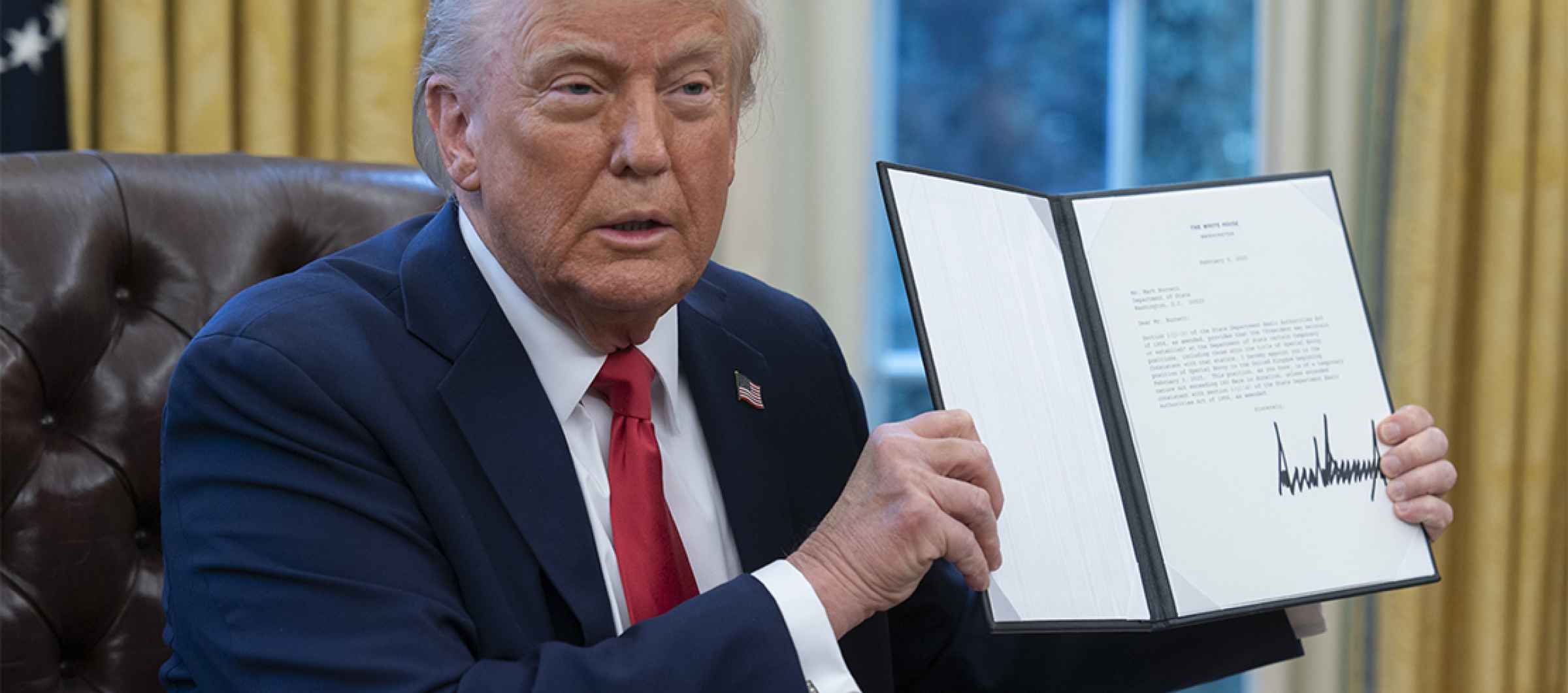
Executive Orders: The Ultimate Guide To Understanding Presidential Authority - In conclusion, executive orders are a vital component of the U.S. political system, allowing presidents to take swift action on important issues while managing the operations of the federal government. While they offer significant benefits, executive orders also come with limitations and challenges that require careful consideration and oversight. Issuing an executive order involves several steps, beginning with the drafting of the order by the president or their advisors. Once the order is finalized, it must be signed by the president and published in the Federal Register to become effective. This publication ensures transparency and allows the public to review and understand the order's contents.
In conclusion, executive orders are a vital component of the U.S. political system, allowing presidents to take swift action on important issues while managing the operations of the federal government. While they offer significant benefits, executive orders also come with limitations and challenges that require careful consideration and oversight.
Unlike laws passed by Congress, executive orders do not require legislative approval. However, they can be challenged in court if deemed unconstitutional or outside the scope of presidential authority. Executive orders are numbered sequentially and published in the Federal Register, making them accessible to the public.
Administrative orders, for example, often deal with internal operations of federal agencies, while policy orders may address broader issues such as immigration, healthcare, or environmental protection. Understanding these distinctions helps clarify the role of executive orders in shaping public policy.

While executive orders can achieve significant policy changes, their impact is often limited by political and legal constraints. This highlights the importance of collaboration between the branches of government to ensure effective governance.
List of executive orders in the second presidency of Donald Trump
Executive orders derive their authority from Article II of the U.S. Constitution, which grants the president the power to "take Care that the Laws be faithfully executed." This clause provides the foundation for the president's ability to issue executive orders, as long as they align with constitutional principles and existing laws.
However, the effectiveness of executive orders will depend on their alignment with constitutional principles and the ability of the executive branch to implement them effectively. Continued dialogue and collaboration between the branches of government will be essential to ensuring that executive orders serve the best interests of the nation.
Despite their power, executive orders are subject to several limitations and challenges. First, they can be overturned or modified by subsequent presidents, limiting their long-term impact. Additionally, executive orders can be challenged in court if deemed unconstitutional or beyond the scope of presidential authority.
In the years to come, the use of executive orders will likely continue to shape public policy and influence the direction of the country. By understanding their history, legal basis, and limitations, we can better appreciate their role in the American political system.
While the process may seem straightforward, the drafting and implementation of executive orders often involve extensive consultation with legal experts, agency officials, and other stakeholders. This ensures that the order is legally sound and feasible to implement.
Some of the most famous executive orders in history include Abraham Lincoln's Emancipation Proclamation, Franklin D. Roosevelt's establishment of internment camps during World War II, and Harry Truman's desegregation of the armed forces. These orders demonstrate the potential impact executive orders can have on shaping the nation's history and policies.
In this comprehensive guide, we will delve deep into the world of executive orders, exploring their history, legal basis, implementation, and impact on American politics. Whether you're a political science enthusiast, a student, or simply someone interested in understanding how the U.S. government works, this article will provide you with all the information you need to grasp the complexities of executive orders.